Comparing ABS DWV Pipes and PPR Pipes: Which is Best for Drainage Systems?


Understanding ABS DWV Pipes
ABS DWV (Acrylonitrile Butadiene Styrene Drain, Waste, and Vent) pipes are commonly used in residential and commercial drainage systems. Known for their lightweight nature and ease of installation, these pipes are a popular choice for many contractors. ABS DWV pipes are resistant to chemicals, which makes them suitable for various waste disposal applications.
One of the main advantages of ABS DWV pipes is their ability to withstand cold temperatures without becoming brittle. This is particularly beneficial in regions with colder climates where pipes may be exposed to freezing conditions.

Exploring PPR Pipes
PPR (Polypropylene Random Copolymer) pipes are another viable option for drainage systems. These pipes are known for their high resistance to heat and pressure, making them suitable for hot water supply systems as well. PPR pipes are also highly durable, with a lifespan that can easily exceed several decades if properly maintained.
Another significant feature of PPR pipes is their resistance to corrosion, which ensures a long-lasting and reliable drainage system. Additionally, PPR pipes have smooth internal surfaces, reducing friction and increasing the efficiency of fluid flow.
Comparing Installation and Maintenance
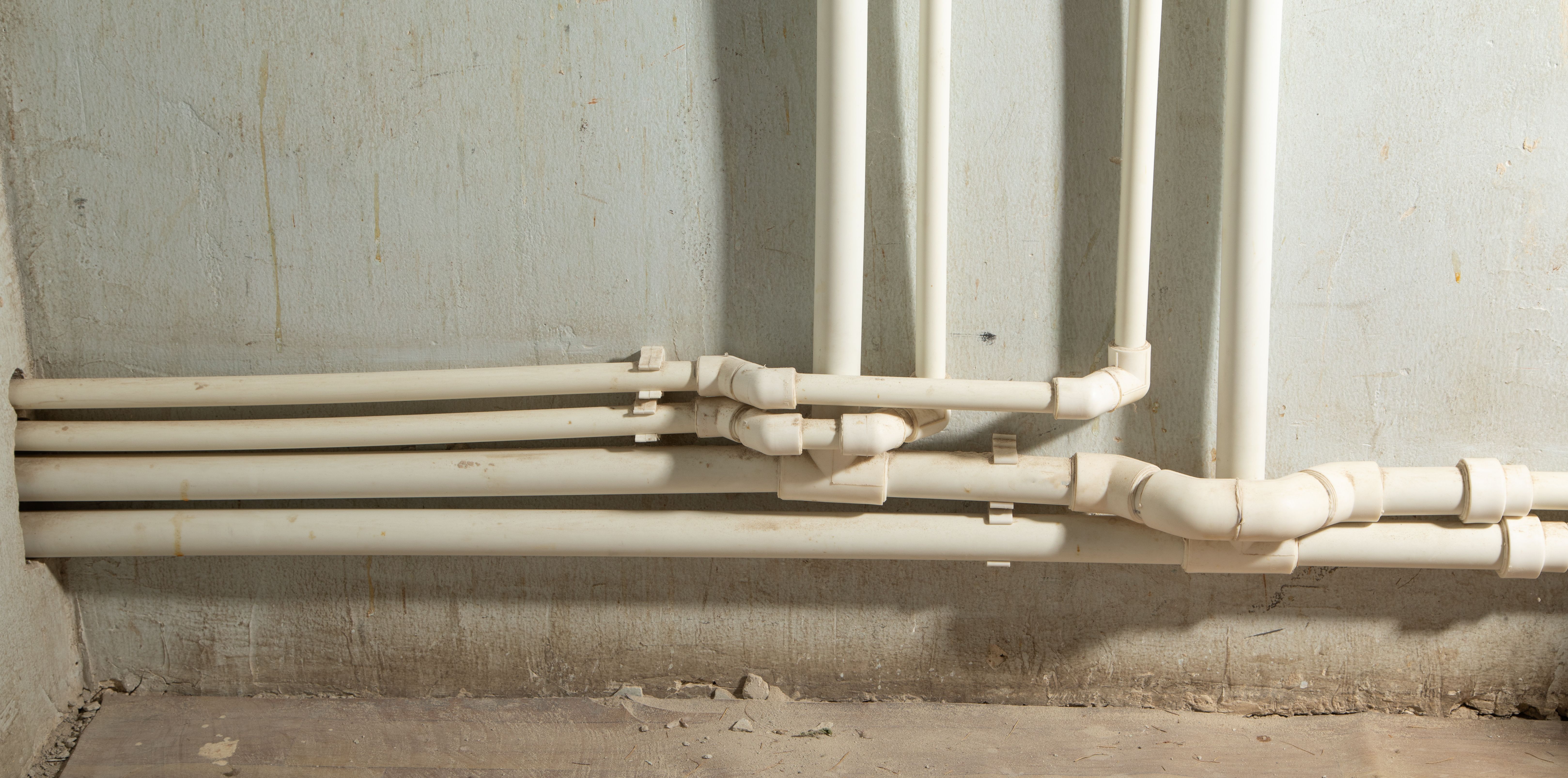
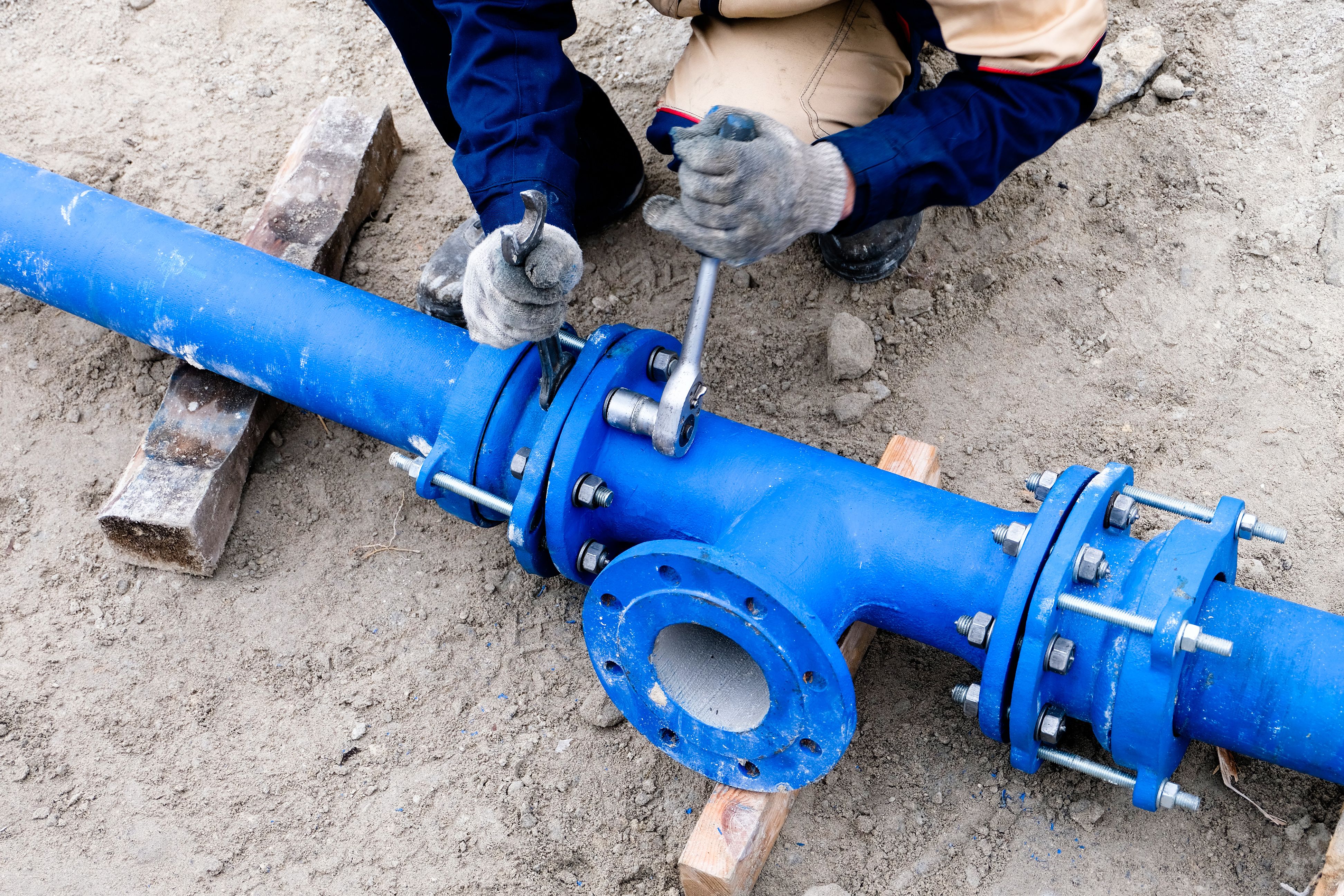
When it comes to installation, ABS DWV pipes are generally easier to work with due to their lightweight nature. They do not require specialized tools or skills, which can reduce installation costs and time. On the other hand, PPR pipes may require welding equipment for proper connection, which can increase the complexity of the installation process.
In terms of maintenance, both ABS DWV and PPR pipes are relatively low-maintenance. However, the resistance of PPR pipes to scaling and deposits can make them a more attractive option for long-term performance without frequent cleaning or repairs.
Cost Considerations
Cost is always a critical factor in deciding the right material for drainage systems. ABS DWV pipes are often more budget-friendly, making them a preferred choice for projects with tight financial constraints. The lower cost does not significantly impact their performance, especially in standard residential applications.
PPR pipes tend to be more expensive due to their enhanced durability and resistance features. However, the initial investment might be justified by the reduced need for repairs and the longer lifespan of the system.
Environmental Impact
ABS DWV pipes are made from petroleum-based materials, which might raise concerns regarding their environmental impact. However, they are recyclable, which can mitigate some of these concerns. PPR pipes, on the other hand, are known for their eco-friendly manufacturing process and chemical inertness, making them a more sustainable choice.
The decision between ABS DWV and PPR pipes should also consider the environmental policies of the specific region and any incentives for using sustainable materials.

Conclusion: Which is Best for Your Needs?
The choice between ABS DWV and PPR pipes depends on several factors, including budget, environmental considerations, and specific project requirements. ABS DWV pipes are ideal for those seeking a cost-effective and easy-to-install option, especially in colder climates. Meanwhile, PPR pipes offer a more durable and environmentally friendly alternative, suitable for projects where longevity and sustainability are priorities.
Ultimately, both ABS DWV and PPR pipes have their unique advantages. By carefully evaluating the specific needs of your drainage system, you can choose the material that best aligns with your goals and constraints.