How to Install a Residential PVC Drainage System


Understanding PVC Drainage Systems
Installing a residential PVC drainage system is a practical way to manage water flow around your home. PVC pipes are known for their durability, ease of installation, and resistance to corrosion. Whether you're a DIY enthusiast or looking to save on professional fees, installing a PVC drainage system is an achievable task with the right guidance.
Gathering Your Materials and Tools
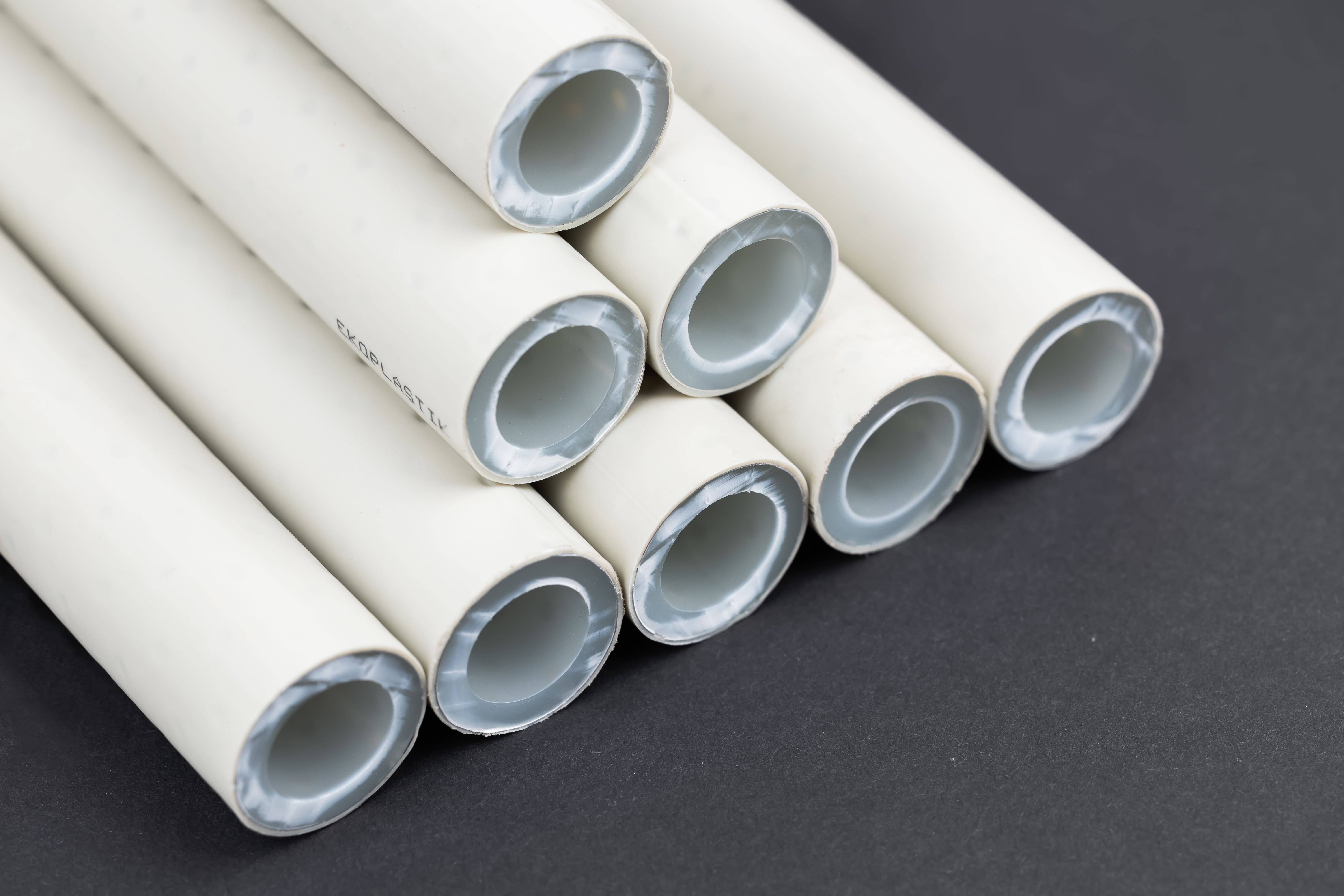
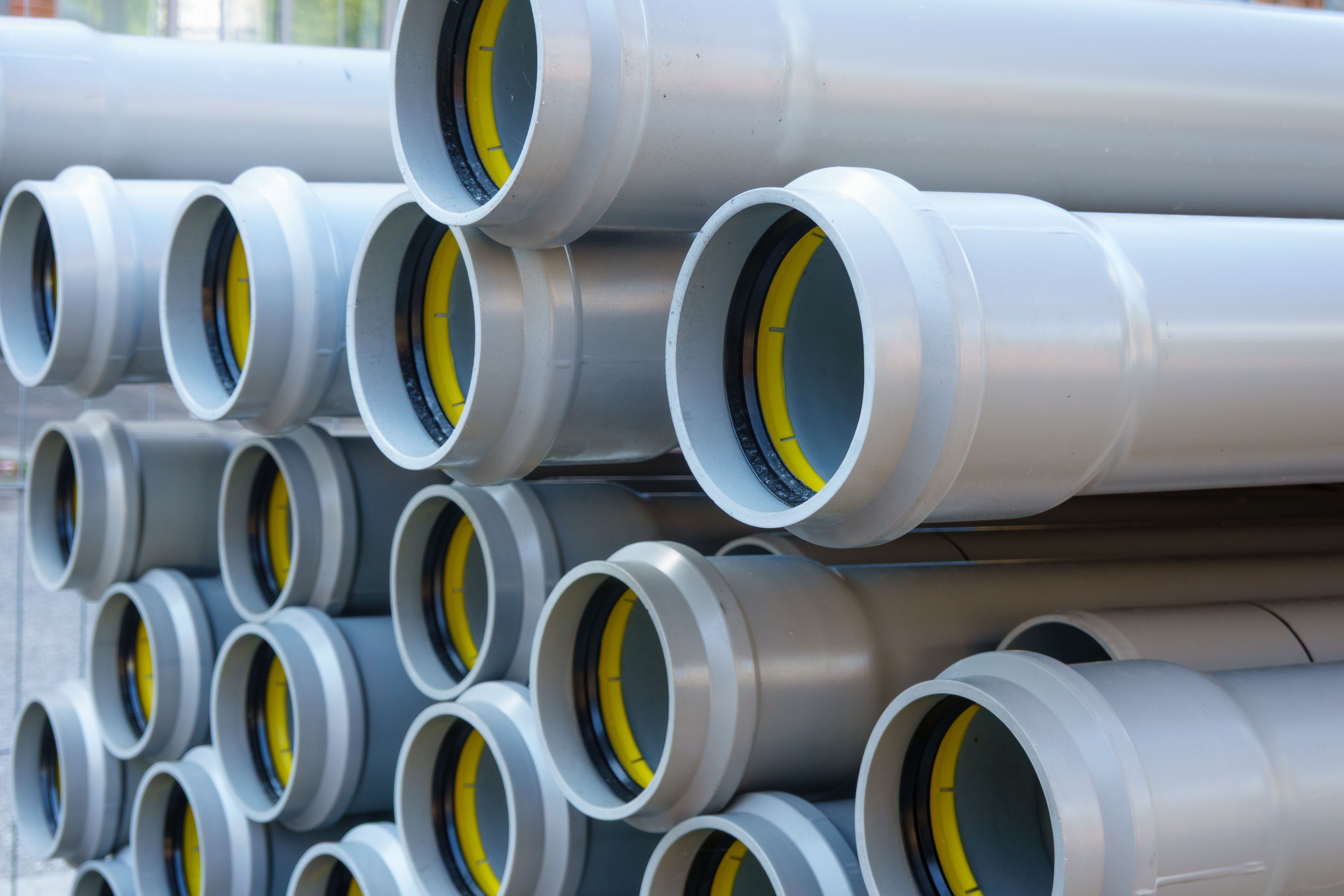
Before you begin, it's essential to gather all necessary materials and tools. You'll need PVC pipes, connectors, a hacksaw, PVC primer and cement, a tape measure, and a shovel. Make sure to purchase pipes that are the correct diameter for your specific drainage needs.
Having everything on hand before starting will make the process smoother and more efficient. It's also advisable to wear safety gear, such as gloves and safety glasses, to protect yourself during installation.
Planning Your Drainage Layout
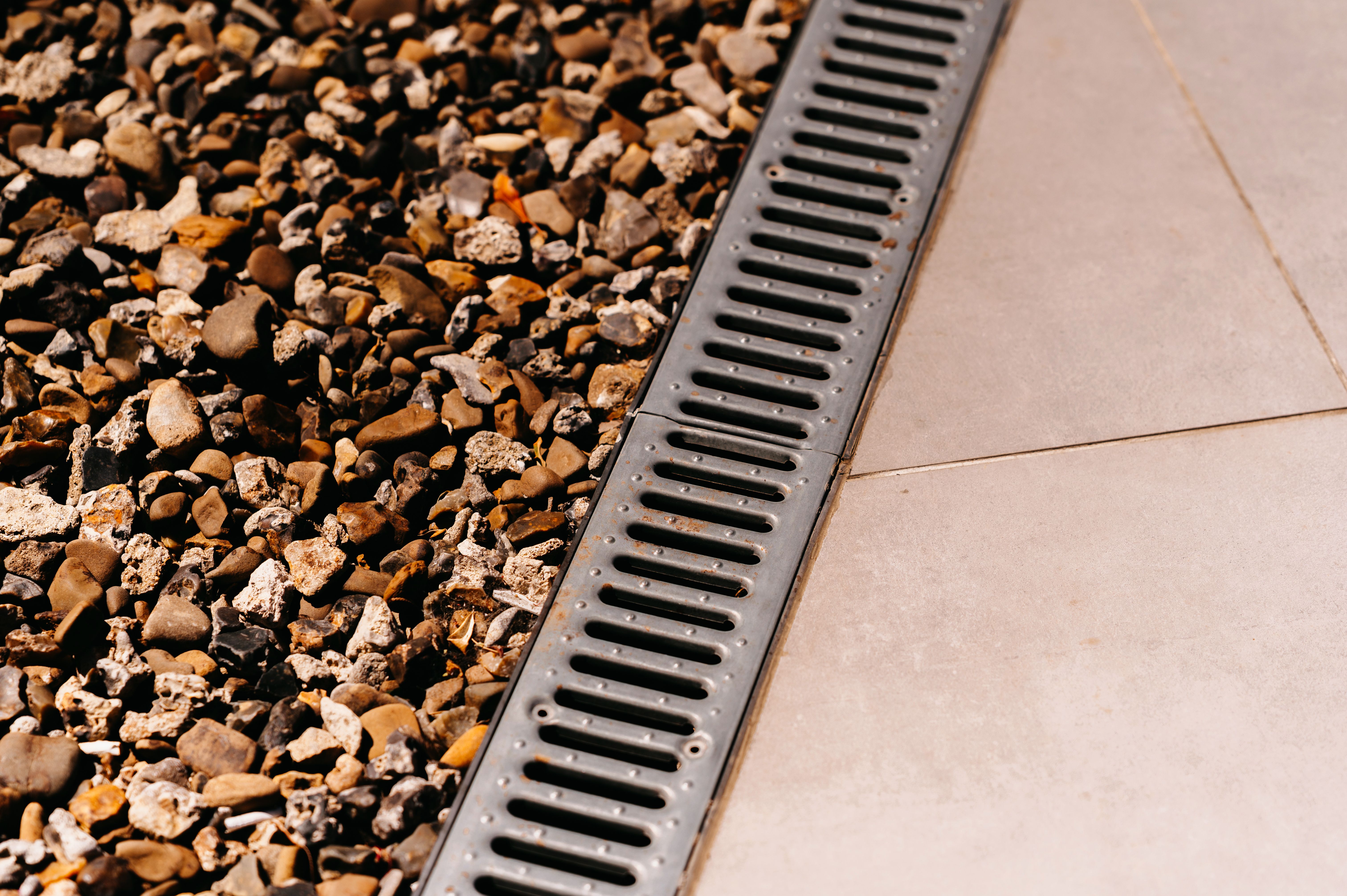
Planning the layout of your drainage system is a crucial step. Identify the areas where water tends to accumulate and determine the best path for directing it away from your home. Consider the natural slope of your yard to aid in efficient water flow.
Sketch a simple diagram of your planned layout. This will serve as a reference during installation and help you visualize the project. Remember, a well-planned system reduces the risk of water damage to your property.
Installing the PVC Pipes
Once your layout is planned, it's time to install the PVC pipes. Start by digging trenches along the planned path. The depth of the trenches should be enough to allow the pipes to sit below ground level while maintaining a slight slope for water flow.
- Cut the PVC pipes to the required lengths using a hacksaw.
- Connect the pipes using PVC connectors, applying primer and cement to ensure a strong bond.
- Lay the pipes in the trenches, ensuring they follow the planned slope.
Testing and Final Adjustments
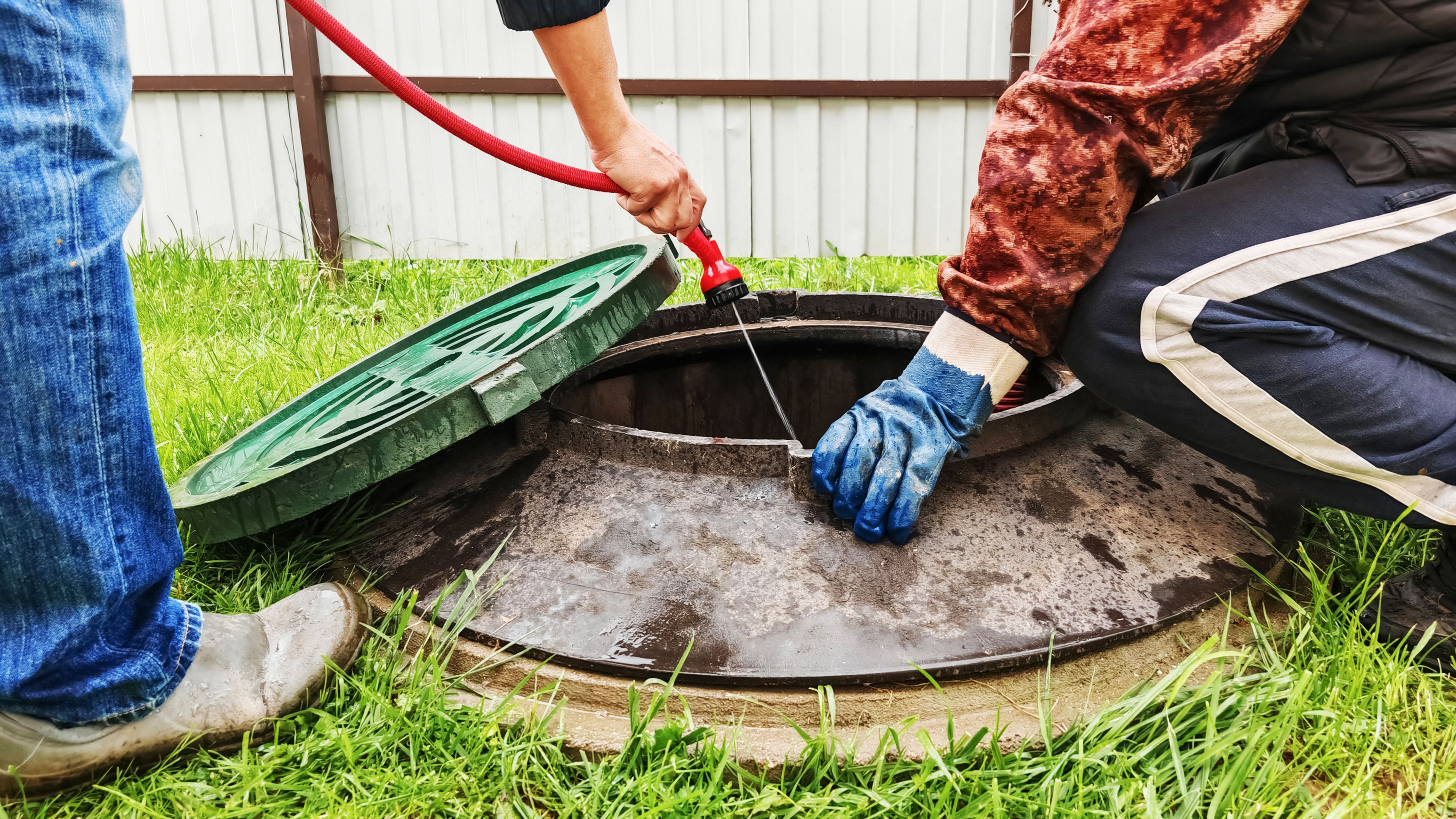
After installing the pipes, it's important to test the drainage system. Run water through the system to check for any leaks or blockages. If you notice any issues, adjust the connections or the slope of the pipes as needed.
Once satisfied with the functionality, cover the pipes with soil, ensuring they are securely buried. This will protect the pipes from damage and maintain the aesthetic of your yard.
Maintaining Your Drainage System
Regular maintenance of your PVC drainage system will ensure its longevity and efficiency. Periodically check for blockages, especially after heavy rainfalls, and clear any debris that may have accumulated.
By following these steps, you can successfully install a residential PVC drainage system that effectively manages water flow around your home. With proper planning and execution, you'll protect your property from water damage and enhance its overall appearance.